Direct Cremation vs Traditional Funeral in Southwest Florida

Updated: Jun 28
When a family sits down with us in Naples, Fort Myers, or Bonita Springs, one of the first questions we hear is whether their loved one should be cremated simply and quietly or honored with a full funeral and a gathering. There is no single correct answer. The right path depends on what the family finds meaningful, what the person who died would have wanted, and how much ceremony feels healing rather than overwhelming. Our role is to lay out the two main routes clearly so you can choose with confidence rather than under pressure.
This guide walks through how these two approaches actually differ here in Southwest Florida, in the practical details that shape your week: who is involved, how quickly things move, what a gathering looks like, and how the costs tend to stack up. We want you to feel informed before you ever pick up the phone.
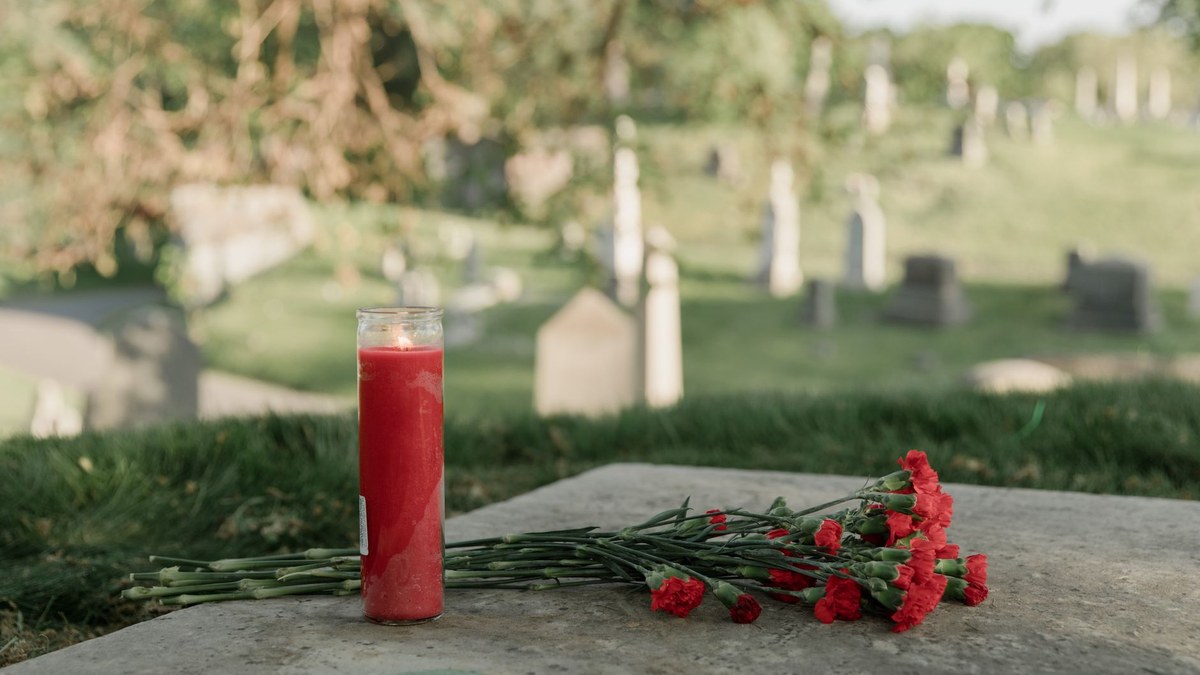
What direct cremation actually means
Direct cremation is the simplest form of final care. After the person passes and the necessary authorizations are in place, our team transports them into our care, completes the required Florida paperwork, and carries out the cremation without a viewing or a formal service beforehand. There is no embalming, no casket purchase, and no scheduled ceremony tied to the cremation itself. Afterward, the cremated remains are returned to the family in an urn or temporary container you select.
Families often choose this route when the person who died preferred to keep things quiet, when relatives are scattered across the country and cannot gather quickly, or when the family would rather hold a memorial later, on their own timeline. Choosing cremation first does not mean skipping a tribute. Many of our families hold a celebration of life weeks or even months afterward, somewhere that mattered to their loved one — a backyard, a church hall, or a spot along the Gulf. You can explore the full range of cremation options we offer and decide how much or how little ceremony feels right.
What a traditional funeral involves
A traditional funeral is the more familiar, ceremony-centered path. It usually includes preparation of the body, a viewing or visitation where family and friends can gather, and a formal service — sometimes at a place of worship, sometimes in a funeral chapel. The service is often followed by either burial or cremation. Because it brings people together in one place at a set time, it carries a structure that many families find steadying in the first raw days of grief.
This path involves more elements: a casket or rental casket for the viewing, embalming or refrigeration, the facility, transportation, and staff to coordinate the timing. It asks more of the family in the short term, but it also offers something direct cremation does not — a shared moment of farewell while the loss is still fresh, with everyone present together. If a fuller ceremony feels right for your family, our funeral service options cover the range from a simple graveside gathering to a complete church service.
How the two compare on cost
Cost is usually the first concern families raise, and we believe in being plain about it. Direct cremation is almost always the more affordable choice because it removes several large expenses at once: there is no casket required, no embalming, no facility rental for a viewing, and far fewer staff hours. A traditional funeral costs more precisely because it includes those services and goods, each of which carries its own price.
What matters most is that you see every charge laid out before you decide anything. Under the federal FTC Funeral Rule, every funeral provider must give you an itemized list of prices, and you have the right to choose only the goods and services you actually want rather than a bundled package. We honor that fully. When you meet with us, you will see line-by-line pricing for both routes so the difference is never a surprise, and so you can adjust either option to fit your budget.
How timing differs for the family
The two paths move at very different speeds, and that difference shapes the week ahead. Direct cremation is typically completed within a matter of days, once authorizations and required permits are finalized. Because there is no ceremony to schedule around, families are not racing to coordinate travel, book a venue, or print programs in the first hard days. The pace is quiet, and the family controls when any memorial happens later.
A traditional funeral, by contrast, runs on a tighter and more public clock. Once you choose this route, there is a window in which the viewing and service should be held, which means quickly notifying relatives, securing the facility, arranging clergy or a celebrant, and pulling together the details of the day. For some families that momentum is a comfort; for others it adds strain at an already exhausting time. Neither response is wrong — it simply helps to know which rhythm suits the people involved.
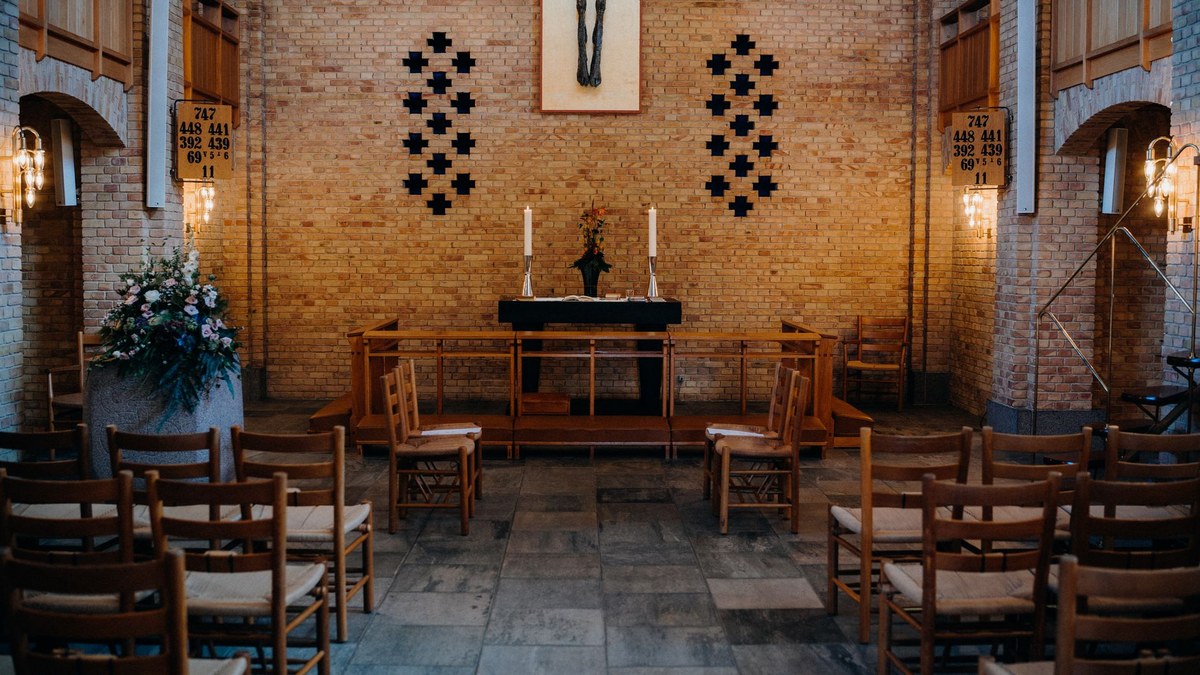
The emotional weight of each choice
Beyond cost and calendar, these two paths feel different to live through. A traditional funeral gathers everyone in one room while the loss is still new. Many people find real comfort in seeing their loved one one last time, in being surrounded by others who are grieving the same person, and in marking the moment together with words, music, and shared memory. That collective farewell can carry a family through the hardest first week.
Direct cremation trades that immediate gathering for space and flexibility. There is no obligation to perform grief on a schedule, and families who are emotionally or physically spent often welcome the quiet. The tradeoff is that you take responsibility for creating your own moment of remembrance later, if you want one. We have walked many local families through both experiences, and we are glad to talk honestly about what each tends to feel like so the choice fits your family.
Planning ahead, before it is urgent
Some of the most settled families we work with made their decision long before it was needed. Putting your wishes in writing while you are healthy spares your loved ones from guessing under pressure and from second-guessing whether they chose what you would have wanted. It also lets you weigh cremation against a traditional service calmly, with no grief clouding the comparison. The FTC offers a helpful overview of planning your own funeral in advance, including what to record and where to keep those instructions.
Whether you are deciding for yourself or for someone who has just died, the choice between direct cremation and a traditional funeral that Southwest Florida families face comes down to the same few questions: how much ceremony brings comfort, how quickly your people can gather, and what budget feels responsible. We are happy to help you think it through without any pressure to commit.
Frequently asked questions
Can we still have a memorial service if we choose direct cremation?
Yes, and many families do. Direct cremation only means there is no formal service before the cremation itself. You are completely free to hold a memorial or celebration of life afterward, on whatever date and at whatever place feels right — a home, a church, or somewhere outdoors that meant something to your loved one. The cremated remains can be present or set aside for that day, however you prefer.
Is cremation always cheaper than a traditional funeral?
Direct cremation is generally the lower-cost choice because it skips the casket, embalming, viewing facility, and the staff hours a ceremony requires. That said, a traditional funeral can be scaled back to fit a tighter budget, and a cremation can be paired with extras that raise the total. We provide itemized pricing for both so you can see exactly what each option costs before you commit to anything.
Do you serve families across all of Southwest Florida?
We do. We care for families throughout the region from our offices in Naples, Fort Myers, and Bonita Springs, and we coordinate transport and arrangements across the surrounding communities. You can find addresses and hours for each of our Southwest Florida locations and reach the office nearest you.
How soon do we need to decide between the two?
There is usually no need to rush the larger decision in the first hours. The most time-sensitive steps are securing your loved one into proper care and completing the required authorizations, which we handle for you. Once that is settled, we can talk through cremation versus a traditional service at a pace that respects what your family is carrying.
If you are weighing these choices for yourself or for someone you love, our team is here to listen and to walk you through the details calmly. Call our Naples office at (239) 659-2009, or request local guidance and we will help you find the path that fits your family.


Comments