Funeral Etiquette for Southwest Florida Memorial Services

When someone you care about dies, the small questions can feel surprisingly heavy. What do I wear. What do I say. Is it alright to bring my children. Should I send flowers, or food, or nothing at all. These are gentle worries, and almost everyone has them. At our Southwest Florida locations we sit with families and their guests through these moments often, and a little guidance removes much of the second-guessing that keeps people from simply showing up and being present.
This guide walks through the customs that come up at services in the Naples, Fort Myers, and Bonita Springs area. None of it is a rule you must follow to the letter. Think of it as a quiet reassurance that you are doing fine, and a way to help the family feel supported.
What to wear in our warm climate
The old assumption that everyone must wear black no longer holds, and our weather makes a strong case for comfort. Services here are often held in air-conditioned chapels but may move outdoors for a graveside or a scattering near the water, where the sun and humidity are real. Dark, muted, or respectful colors are a safe choice, and breathable fabrics keep you comfortable.
Some families request a specific tone. You may be invited to wear bright colors to celebrate a life well lived, or the favorite color of the person who died, or beach-casual attire for an outdoor remembrance. If the invitation says so, take it at face value; honoring the family's wishes is the whole point. When unsure, a modest, tidy outfit on the conservative side will never feel out of place.
Arriving, signing in, and finding your seat
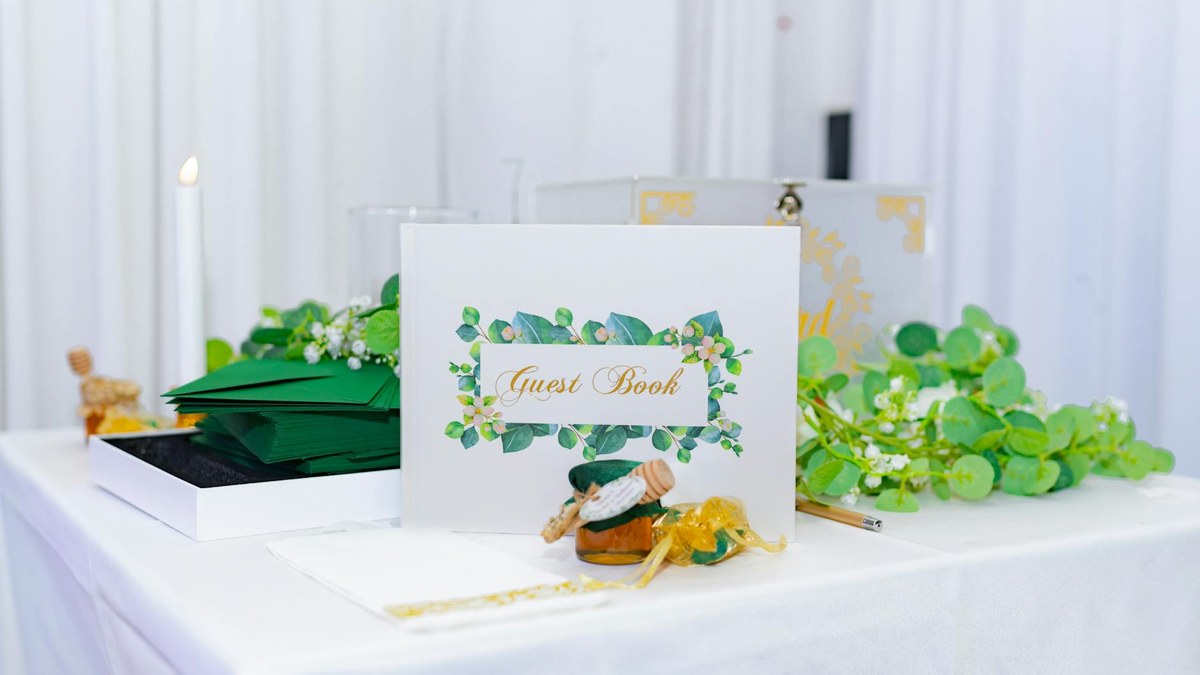
Plan to arrive ten or fifteen minutes early. That cushion lets you sign the guest book, greet the family briefly if they are receiving people, and settle in before things begin. The guest book matters more than it looks. Families read those pages later, sometimes for years, and an unexpected name can be a real comfort.
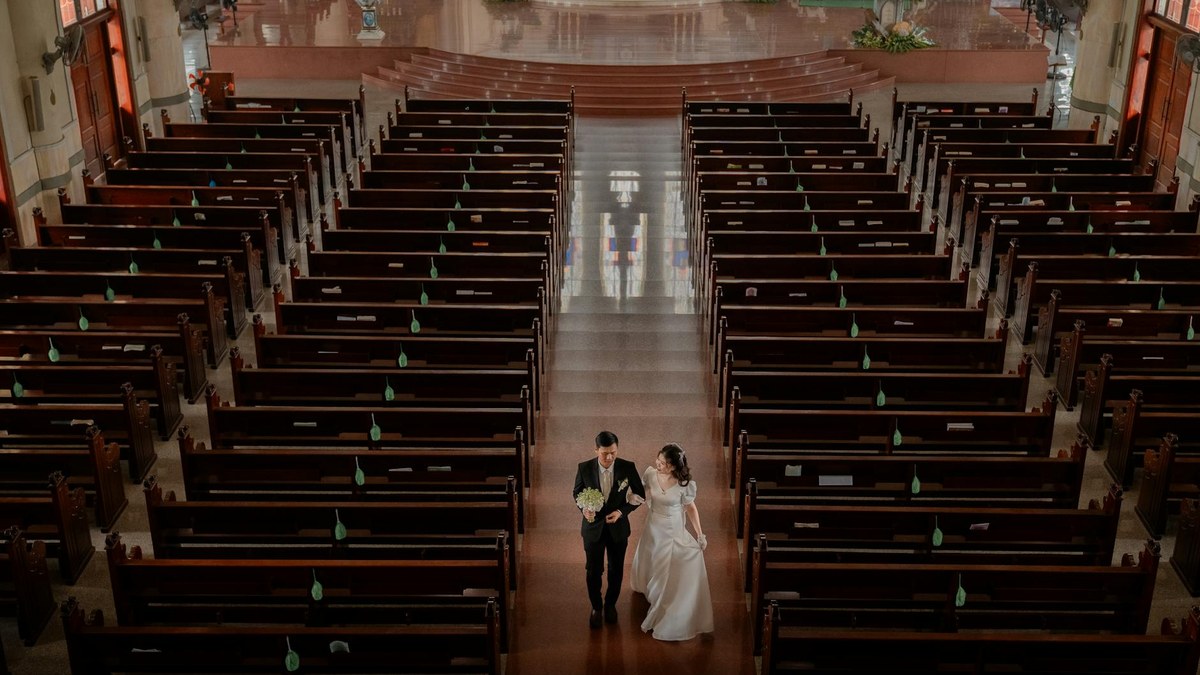
Inside the chapel, the front rows are generally reserved for immediate family. Take a seat further back unless someone directs you forward. If you arrive after a service has started, slip into a rear seat quietly rather than walking up the aisle. Silence your phone before you walk in. A buzzing pocket during a eulogy is the kind of small thing people remember.
What to say to the grieving family
Most people freeze here, certain they will say the wrong thing. The truth is that the family rarely remembers your exact words. They remember that you came. A simple \"I am so sorry for your loss\" is more than enough. If you knew the person well, a short, specific memory is a gift: a kindness they showed you, a phrase they always used, a moment that made you laugh.
It helps to avoid clichés that can land wrong, such as explaining why the death happened or telling someone how they should feel. Grief does not run on a schedule, and there is no need to fix anything. Listening, with a hand on a shoulder or a quiet nod, often says more than any sentence. Tears are not an imposition at a memorial.
Flowers, donations, food, and other gestures
Sympathy flowers are a longstanding tradition and are always welcome unless the family asks otherwise. Many obituaries now include a line directing well-wishers to give to a named charity or fund in lieu of flowers. When you see that, follow it. A gift in the person's memory honors both their wishes and a cause they valued.
Food is its own language of care here. Dropping a meal at the family's home around the service spares them from cooking during a stretch when they have little energy for it. If you bring something, label it clearly and use a container that need not be returned. Small, practical kindnesses, watching children for an afternoon or running an errand, are often remembered most warmly of all.
Photos, social media, and children at services
Phones complicate gatherings that used to be entirely private. As a courtesy, do not photograph the service, the casket or urn, or grieving family members unless you have clear permission. Some families designate one person to capture a few images for those who could not attend, which is different from a row of raised phones during the eulogy. Before posting to social media, consider whether relatives have been able to notify everyone first. Learning of a death through a feed is jarring, and a well-meant post can outrun the family's own messages.
Children are welcome at most services, and including them can be healthy and meaningful. Use your judgment about your child's temperament and the length of the gathering. Sitting near an exit lets you step out quietly if a toddler grows restless, and a small quiet activity can help. If you are planning the service and are unsure how to involve young ones, our team is glad to talk it through.
Understanding the type of service you are attending
Services in our area take many forms, and knowing the format helps you arrive prepared. A traditional funeral with the body present follows a familiar structure. A memorial gathering held after cremation may feel more open and conversational, sometimes with an open microphone for shared memories. A graveside service is brief and outdoors, so dress for the weather and the ground. Families weighing these formats can review the range of funeral and cremation arrangements we offer to find what fits their wishes and their faith.
If this is your first time attending any kind of service, it is normal to feel uncertain about the flow of the day. We keep a plain-language overview of what to expect when you arrive so that nothing catches you off guard. Knowing how a gathering will unfold frees you to focus on the people, which is where your attention belongs.
Etiquette for the family planning the service
Much of what we have covered speaks to guests, but families carry their own decisions, and good communication eases the process. Decide early how you want to share the news and the details, whether by phone calls to close relatives first, a posted obituary, or a private message group. Letting people know the format, the dress expectation, and whether children are welcome heads off many anxious questions later.
You are also entitled to clear, honest information as you plan. Federal consumer protections, often called the funeral rule, give every family the right to itemized pricing and to choose only the goods and services they want. The Federal Trade Commission keeps a plain summary of your rights under the federal funeral rule, and we encourage you to read it. Our role is to walk beside you, answer questions without pressure, and help you build a gathering that reflects the person you are honoring.
Frequently asked questions
Is it acceptable to attend a service if I did not know the person well?
Yes. Showing up to support a grieving friend or coworker, even if you barely knew the one who died, is a thoughtful gesture. Introduce yourself, share how you are connected, and offer your condolences. Your presence speaks to the family member you came for, and that is reason enough to be there.
Should I send flowers or make a donation instead?
Read the obituary or the service notice first. If it names a charity or memorial fund \"in lieu of flowers,\" honor that request with a donation. If no preference is stated, sympathy flowers sent to the funeral home or the family's home are a warm and traditional choice. Either gesture is welcome, so let the family's stated wishes guide you.
What is the right way to express condolences if I cannot attend in person?
A handwritten sympathy card carries real weight, and there is no deadline; a note arriving weeks later, when the initial rush of support has faded, can be especially comforting. A short phone call, a text, or a meal sent to the home all let the family know you are thinking of them. Leaving a brief memory on the family's online tribute page is another quiet way to take part from a distance.
How long should I stay at a memorial gathering or reception?
There is no fixed amount of time. At a reception or repast following the service, stay long enough to speak with the family and share a memory, then read the room. If the gathering is winding down or the family seems weary, a gentle goodbye is kind. Quality of presence matters far more than minutes on the clock.
If you are planning a service in Naples, Fort Myers, or Bonita Springs and want a calm conversation about any of this, our team is here to help. You are welcome to request local guidance or call us at (239) 659-2009, and we will move at the pace that feels right for your family.


Comments