Memorial Service Without a Funeral: Is It Right for Your Family?
- Legacy Options

- Apr 20
- 5 min read
Updated: Jun 28
When someone we love dies, many families assume the path forward has to include a traditional funeral with the casket present and a viewing beforehand. That is one good option, but it is not the only one. A growing number of families we serve across Naples, Fort Myers, and Bonita Springs choose to hold a gathering after the body has already been cremated or buried. If you are weighing a memorial service without a traditional funeral, this guide walks through when that choice tends to fit, how the timing changes, and what your guests will likely expect.
What separates a memorial service from a funeral
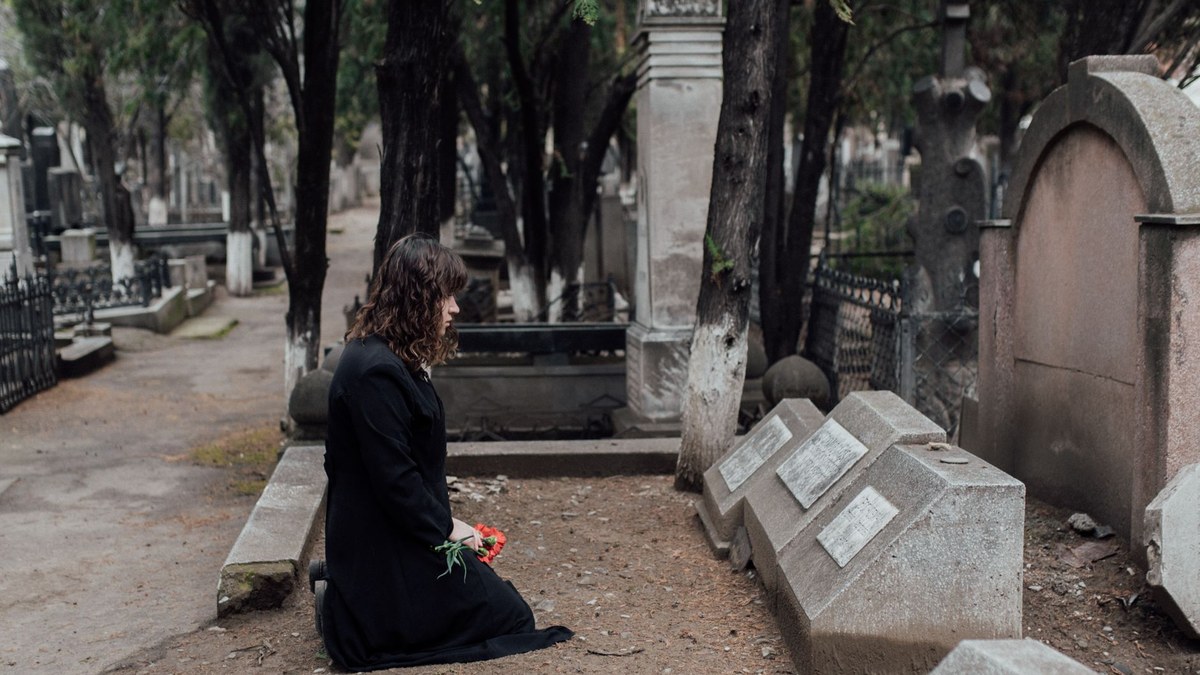
The simplest distinction comes down to whether the person who died is physically present. At a funeral, the body is there, usually in a casket, and the service happens within a few days. A memorial service is a gathering held without the body present, often because cremation or burial has already taken place. Everything else, the readings, the music, the photos, the people standing up to share a story, can look very similar.
Because the deceased is not present, a memorial gathering removes the pressure to schedule everything within days. That single difference reshapes the whole experience. Families gain breathing room, travel becomes easier to coordinate, and the location is no longer tied to a chapel or graveside. Many families come to us already leaning this way and simply want reassurance that it is an honored, customary choice. It is.
When skipping the funeral tends to make sense
There is no universal right answer, but a few situations point toward this approach more often than others. We see it chosen when relatives are scattered across the country and need weeks, not days, to arrange travel to Southwest Florida. We see it when the person who died had a clear preference for cremation and asked that any gathering be relaxed rather than formal. We also see it when the family is simply exhausted and needs time before standing in front of a room.
It can also be a thoughtful path when the death followed a long illness, and close family had already begun saying goodbye. In those cases, a slower, reflective gathering weeks later often feels truer than a hurried service. If any of these describe your situation, you are not cutting corners. You are matching the farewell to the life and to the people who will attend.
How the timing changes when there is no funeral
This is where the difference becomes most practical. A traditional funeral is built around a narrow window, usually three to five days, because the body must be cared for. Once cremation or burial is handled separately, that clock stops. You can hold the gathering two weeks later, a month later, or on a date that carried meaning for the person who died, such as a birthday or an anniversary.
That flexibility is a gift, but it has a quiet downside worth naming. Without a fixed date forcing the family's hand, planning can drift, and weeks can slip by. We gently encourage families to settle on a target date early, even a loose one, so the gathering does not keep getting postponed and the work feels manageable rather than open-ended.

Choosing a format and a place
Once the body is no longer the center of the room, your options for setting open up considerably. Families in our area have held gatherings at a favorite waterfront restaurant, a community clubhouse, a church hall, a backyard under the oaks, or right here in one of our reception spaces. The space should fit the tone you want and the number of people you expect, not the other way around.
Format follows the same logic. Some families want a structured hour with a speaker, readings, and a closing prayer. Others prefer an open house where people drift in across an afternoon, look at photo boards, and share memories informally over food. Many blend the two: a short structured portion followed by an open reception. For families drawn to a lighter, more celebratory tone, a celebration of life gathering can be a fitting frame, and we are happy to help you shape one. If you want to see how the pieces commonly fit together, our overview of memorial service planning walks through the typical elements.
What your guests will expect
People who attend a memorial gathering arrive with slightly different expectations than they would for a funeral, and a little clarity in your invitation goes a long way. Because there is no viewing or graveside, guests will want to know the basics up front: where it is being held, whether there will be food, how long it will run, and whether the tone is solemn or relaxed. A short, warm note answers most of these questions before anyone has to ask.
A few things tend to come up, so it helps to decide them in advance:
None of this needs to be elaborate. Guests are generous and want to honor your loved one in whatever way you ask. Telling them what to expect simply lets them focus on grieving and remembering rather than wondering.
Putting your own wishes in writing
If reading this has you thinking about your own arrangements rather than a recent loss, that instinct is worth following. Writing down whether you would prefer a funeral, a memorial gathering, cremation, or burial spares the people you love from guessing later. The Federal Trade Commission offers a clear, unbiased overview of planning your own arrangements that is a good starting point before you talk with any provider.
When you are ready to make it concrete, our team can record your preferences and hold them on file, so your family is never left to interpret your wishes during a difficult week. There is no obligation that comes with sitting down to talk it through.
How our Southwest Florida team can help
Whether you have already had a cremation and want to plan a gathering, or you are still deciding which path fits your family, we are glad to talk without any pressure. We serve families from our offices across the region, and you can find the one nearest you on our Southwest Florida locations page. We can handle the cremation or burial, help you settle on a date and a setting, and coordinate the details so the day itself feels calm.
Frequently asked questions
Is a memorial service without a funeral less respectful?
Not at all. A gathering held after cremation or burial is a long-standing and fully honored way to remember someone. What matters is that the farewell reflects the person and gives those who loved them a place to grieve together, not whether the body is present.
How long after the death should we hold the gathering?
There is no fixed rule. Many families choose somewhere between two weeks and a couple of months, which allows distant relatives to travel and gives everyone time to prepare. Some wait for a date that held meaning for the person who died. We do suggest choosing a target date early so the plans do not drift indefinitely.
Can we still have the cremated remains present at the gathering?
Yes, and many families do. An urn can rest on a table beside photographs and flowers, which gives guests a focal point without the formality of a viewing. Whether to include the remains is entirely your choice, and either way is appropriate.
Do we need to use a funeral home for a memorial gathering?
You can hold the gathering yourself in a home or rented space, but a provider can take a great deal off your plate, from handling the cremation to helping with the date, setting, and details. Many families find that support is what lets them simply be present on the day.
If you would like to talk through whether a memorial gathering fits your family, our team is here whenever you are ready. You can request local guidance through our site or call our Naples office at (239) 659-2009, and we will help you take the next step at your own pace.


Comments