What Paperwork Is Needed to Settle an Estate in Florida?

Updated: Jun 28
When someone you love passes away, the practical side of saying goodbye can feel like a second weight on top of your grief. Among the most common questions families bring to our Southwest Florida locations is a simple one: what records will I actually need to gather? Settling an estate in Florida is, at its heart, a paperwork process. It moves more smoothly when you know which papers matter, where to find them, and what each one is for. This guide walks through the documents needed to settle an estate in Florida in plain language, so you can move at your own pace without feeling lost.
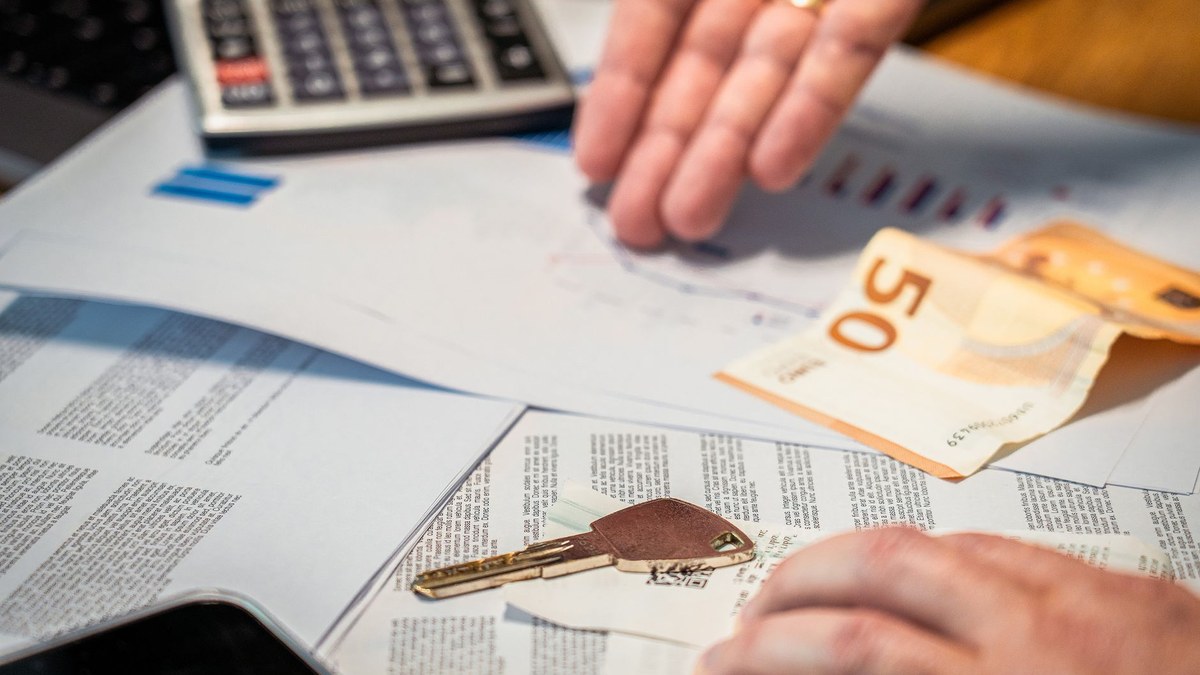
Every family's situation is a little different. Some estates are small and straightforward; others involve a home, a business, or assets held in several places. We have sat with families across Naples, Fort Myers, and Bonita Springs through all of these, and the comforting truth is that you rarely need everything at once.
The certified death certificate comes first
Before almost anything else can move forward, you will need certified copies of the death certificate. This single document is what banks, insurers, government offices, and the probate court rely on to confirm the passing and release information to you. A photocopy is generally not enough; institutions want the certified version with the raised seal or official stamp.
Families often underestimate how many copies they will use. Each financial institution, each insurance policy, and each transfer of property may ask for its own original. When we assist a family with arrangements, we help order an appropriate number of certified copies up front so you are not waiting weeks later when a bank or title company requests one.
The will, trust, and any beneficiary designations
The next layer is the set of documents that say who receives what. The most familiar of these is a last will and testament. If your loved one left a will, the original signed copy is what the Florida probate court will want, not a scan or a draft. Look in a home safe, a safe deposit box, a desk drawer, or with the attorney who prepared it.
Many people in Florida also hold assets in a revocable living trust, which can move property to heirs without the same court steps a will requires. If a trust exists, gather the trust agreement and any amendments. Then there are beneficiary designations, which quietly control a surprising share of what people own. Life insurance policies, retirement accounts, and certain bank accounts often name a beneficiary directly, and those instructions usually pass outside the will entirely. Pulling these together early tells you which assets follow the will and which already have a named recipient.
Financial accounts and statements
To understand the size and shape of an estate, you will want a clear inventory of the money side. That means recent statements for checking and savings accounts, certificates of deposit, brokerage and investment accounts, and any retirement plans such as IRAs or 401(k)s. Pension paperwork belongs here too, since some pensions continue a payment to a surviving spouse and others stop entirely.
Outstanding obligations are part of the financial picture as well. Mortgage statements, vehicle loans, credit card balances, and any personal loans all need to be accounted for, because Florida estates generally settle valid debts before assets are distributed. Gathering recent statements, even a single month for each account, gives whoever is administering the estate a reliable starting list of what is owed and what is owned.
Property, vehicle, and ownership records
Real estate is often the largest piece of an estate, and it carries its own paper trail. For a home or land in Florida, locate the deed, the most recent property tax statement, and the homeowner's insurance policy. The deed matters in particular because how the property is titled, whether it was owned jointly, held in a trust, or in the person's name alone, shapes how it passes to heirs.
Vehicles, boats, and trailers each have titles and registrations that will need to be transferred. If your loved one owned a vehicle outright, the title shows that clearly; if there was a loan, you will want the lender's payoff information as well. Florida residents frequently own watercraft, so do not overlook boat titles and any associated slip or storage agreements. Keeping these ownership records in one place saves a great deal of back-and-forth later.
Insurance policies and benefit paperwork
Life insurance can be one of the most immediate sources of support for a family, yet policies are easy to misplace. Search for the actual policy documents, recent premium notices, or correspondence from the insurer, and note the policy numbers. Beyond personal life insurance, your loved one may have had coverage through an employer, a union, a fraternal organization, or even a credit card or mortgage that included a small policy.
This is also the moment to consider benefits that survivors may be entitled to. Social Security, veterans' benefits for those who served, and employer survivor benefits each have their own claim forms and proof requirements, and each typically asks for a certified death certificate. We mention these not to overwhelm you but so that nothing meaningful slips past during a busy time. If you are unsure where a policy or benefit might live, our team can help you think through where to look based on your loved one's work history and affiliations.
Identification and personal records
A handful of personal documents tie everything together. The person's Social Security number, which appears on many of the records above, is used throughout the settlement process. Their state identification or driver's license, military discharge papers if they served, and a marriage certificate or divorce decree can all become relevant depending on the benefits and transfers involved.
Tax records deserve a mention as well. Recent income tax returns help confirm sources of income and any obligations that carry into the year of passing. You do not need to become an expert in any of this. The goal at this stage is simply to collect, label, and store these papers in one secure place so that whoever administers the estate, whether that is you, another family member, or an attorney, can work from a complete file rather than a scattered one.
How the documents fit into Florida's process
Once your records are gathered, they feed into Florida's formal steps for transferring what a person owned. Depending on the size and structure of the estate, this may involve the probate court, a streamlined small-estate path, or trust administration handled largely outside of court. The Florida courts publish a helpful overview of the state's probate process that explains the general framework in clear terms.
Many families also choose to work with an attorney for the legal portion, while leaning on us for the personal and practical side. We are not attorneys, and we do not give legal advice, but we walk alongside families through the after-care and settlement journey every day. If you would like to understand how the legal pieces connect to the arrangements we handle, our overview of legal and estate guidance is a calm place to begin.
Frequently asked questions
How many certified death certificates should I order?
It varies with the estate, but families commonly use several. Each bank, insurer, and property or vehicle transfer may request its own original. We help arrange a sensible number when we assist with arrangements, and you can always order more from the issuing office if you run short.
What if I cannot find the original will?
Start with the obvious spots: a home safe, a safe deposit box, a filing cabinet, or the office of the attorney who drafted it. If no signed original ever turns up, Florida has rules for how an estate is handled without a will, and an attorney can explain how the state would direct the assets in that situation.
Do all assets have to go through probate in Florida?
Not always. Assets held in a trust, accounts with a named beneficiary, and property titled jointly often pass directly to the recipient outside of probate. The records you gather will reveal which assets follow the will and which already have a path of their own.
Can you help if my loved one lived in a different part of Southwest Florida?
Yes. We serve families throughout the region, and you can see all of our Southwest Florida locations to find the office nearest to you in Naples, Fort Myers, or Bonita Springs.
If gathering these records feels like more than you want to carry alone, please reach out. Our team is glad to sit with you, help you sort through what you have, and point you toward the right next step. You can request local guidance any time, or call our Naples office at (239) 659-2009. There is no rush, and you do not have to figure it out by yourself.


Comments