What to Know About Transporting Cremated Remains

When a loved one is cremated in Southwest Florida and the family lives, gathers, or wishes to rest elsewhere, the ashes often need to make a journey of their own. Sometimes that means a flight home after a seasonal stay in Naples or Fort Myers. Sometimes it means a quiet drive up the coast to a family plot, or a careful shipment to a relative who could not travel. Each of these paths comes with its own small set of practical questions, and most of them are simpler to answer than worried families expect.
We have walked many families through this, and the most reassuring thing we can offer is that there is a well-worn, lawful way to carry a person's ashes wherever they need to go. The steps are mostly about having the right paperwork on hand and choosing a container that travels well. Below, we have gathered the questions families ask us most often, in roughly the order they tend to come up.

Choosing how the ashes will travel
The first thing to settle is simply the mode of travel. Will the ashes go by air with a family member, ride along in a car, or be shipped to their destination? Each route has slightly different expectations, and once that decision is made, everything else tends to fall into place. A short flight to a memorial in another state is handled very differently from a multi-day drive or an out-of-country journey, so it helps to name the plan early.
Distance and timing usually point to the answer. If relatives are already flying home after a stay in our area, carrying the urn along is often the gentlest option. If no one is making that trip soon, a careful shipment may be kinder than asking someone to delay a return. There is no single right choice here, only the one that fits your family's circumstances. If you would like a second opinion, our team is glad to talk it through, and our overview of cremation services in Southwest Florida covers the surrounding choices as well.
Flying with an urn and what TSA expects
Air travel is where most families feel uncertain, so it is worth being clear. Cremated remains are generally permitted in carry-on baggage, and many families prefer to keep them close rather than risk a checked bag. Security officers do, however, need to be able to screen the container. That is the heart of the matter, and it shapes almost every other decision about packing.
Screening equipment works by seeing through the container. A box or vessel made of wood, plastic, cardboard, or another non-metallic material can usually be screened without difficulty. A solid metal or dense stone urn may block the image, and officers are not permitted to open a sealed container of ashes, so an urn they cannot see into may not be allowed through the checkpoint. A common approach is to travel with a simple temporary container, often a plain wooden or sturdy plastic box, and to place the ashes in a more permanent urn once you arrive.
Because guidance can be updated and each airport screens a little differently, we encourage families to read the current rules straight from the source before packing. The TSA page on traveling with cremated remains lays out what to expect at the checkpoint in plain language. It is a short read and worth a few minutes before any flight.
Each airline has its own rules
Beyond security screening, the airline itself may have its own policy on cremated remains, and these vary from carrier to carrier. Some airlines welcome an urn as a carry-on item with no extra steps. Others ask for a copy of the death certificate or the certificate of cremation, and a few have specific instructions about checked versus carry-on placement or international shipping.
The simplest move is one phone call to the airline well before the travel date. Ask whether they allow remains in the cabin, what documents they want to see, and whether any form needs to be completed in advance. A short conversation now spares you from any awkward surprise at the gate, on a day that is already heavy enough.
The documents to keep within reach
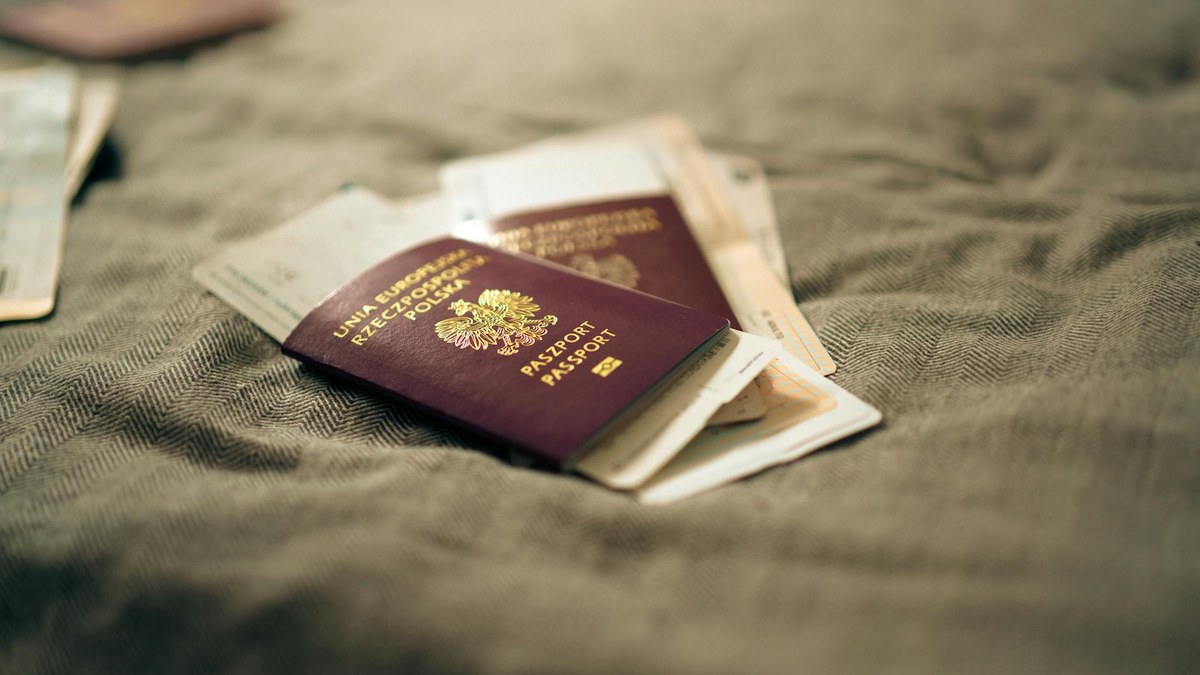
Whatever the mode of travel, a small folder of paperwork makes everything smoother. Two items come up again and again: a certified copy of the death certificate and the crematory's certificate of cremation. These are the documents most commonly requested by airlines, by some receiving cemeteries, and by customs officers if travel crosses a border. We provide families with the cremation certificate, and we are happy to explain how to request additional certified copies of the death certificate.
Keep these papers with you rather than packed away. If the ashes are traveling in carry-on baggage, the documents should ride alongside them, not in a checked suitcase that you cannot reach at the checkpoint. For international trips or final placement at a cemetery, it is also wise to confirm in advance what that specific country or cemetery requires, since their expectations may go beyond what an airline asks. Our notes on how the cremation process works and our legal and estate guidance can help you anticipate which papers you will want before you set out.
Driving with ashes or sending them by mail
Traveling by car is the most relaxed option of all. There is no checkpoint and no airline policy to satisfy, so you are free to choose any urn you like. We usually suggest securing the container so it does not shift or tip during the drive, perhaps belted into a seat or nestled in the trunk where it cannot slide. Many families find a quiet comfort in this kind of journey, taking their time and stopping where they wish along the way.
When no one can make the trip in person, shipping is a respectful alternative. In the United States, the Postal Service is the carrier set up to handle cremated remains, and it has a defined process that includes a specific type of express, traceable service. Private courier companies generally do not accept ashes, so it is worth confirming before you arrive at a counter. If a shipment is the right path for your family, we can walk you through how it is typically prepared and labeled so it travels safely and with dignity.
Arriving and laying ashes to rest
The destination has a say in the plan too. If the ashes are bound for a cemetery, a columbarium niche, or burial in an existing family plot, that location may ask for the certificate of cremation and may have its own scheduling and container requirements. A short call ahead confirms what they need so nothing holds up the placement once you arrive.
Scattering is its own consideration. Public lands, beaches, and waterways are often governed by local or federal rules, and a private property owner's permission is needed before scattering on land you do not own. A little research into the rules for your chosen spot lets the moment unfold peacefully, without second-guessing whether it was allowed. If you are still weighing where a final resting place should be, that is a conversation we are always willing to have.
Frequently asked questions
Can I carry cremated remains on a plane?
In most cases, yes. Ashes are generally allowed in carry-on baggage as long as the container can be screened by security equipment. Confirm your specific airline's policy ahead of time, since some ask to see documentation.
What kind of urn is best for flying?
A container made of wood, plastic, cardboard, or another non-metallic material is easiest, because screening equipment can see through it. Many families fly with a temporary container and transfer the ashes to a permanent urn after arriving.
What paperwork should travel with the ashes?
Keep a certified copy of the death certificate and the crematory's certificate of cremation within easy reach. Carry these with you rather than in a checked bag, and confirm any added requirements for international travel or cemetery placement.
Is it legal to mail cremated remains?
Yes, through the United States Postal Service, which has a specific traceable shipping process for ashes. Private courier services generally do not accept them, so it is best to confirm the method before preparing a shipment.
If your family is preparing to carry a loved one's ashes somewhere meaningful, we would be glad to help you sort out the practical details so the journey feels calm rather than complicated. You are welcome to call our Naples office at (239) 659-2009, or to request local guidance through our message page whenever the time feels right.


Користуюся подібними оглядами вже кілька років, тому маю певне уявлення про те, як влаштована ця сфера в Україні. Стан ринку у 2026 році виглядає більш впорядкованим, ніж кілька років тому, переважно через вимоги ліцензування та технічні стандарти для операторів. Сам формат добірок на кшталт https://cardmates.ua/casinos топ казино україни буває корисним для порівняння умов, хоча інформація потребує самостійної перевірки на офіційних реєстрах. Особисто звертаю увагу радше на технічну стабільність платформ і прозорість документів, ніж на маркетингові обіцянки. Варто пам'ятати про ризики та підходити до подібних сервісів обережно й виважено.