
Cremation for Religious and Cultural Preferences in Florida
- Legacy Options

- 6 days ago
- 4 min read
Cremation decisions can carry religious, cultural, and family meaning that deserves careful conversation before arrangements are finalized.
Florida families may include relatives from different traditions or family branches, especially when adult children have different beliefs than their parents.
Religious and cultural planning should be named early, even if the family is not sure which details are required. Someone can contact clergy, an elder, or a cultural guide while the funeral home explains the care timeline. That parallel approach helps the family protect important traditions without delaying basic paperwork unnecessarily.
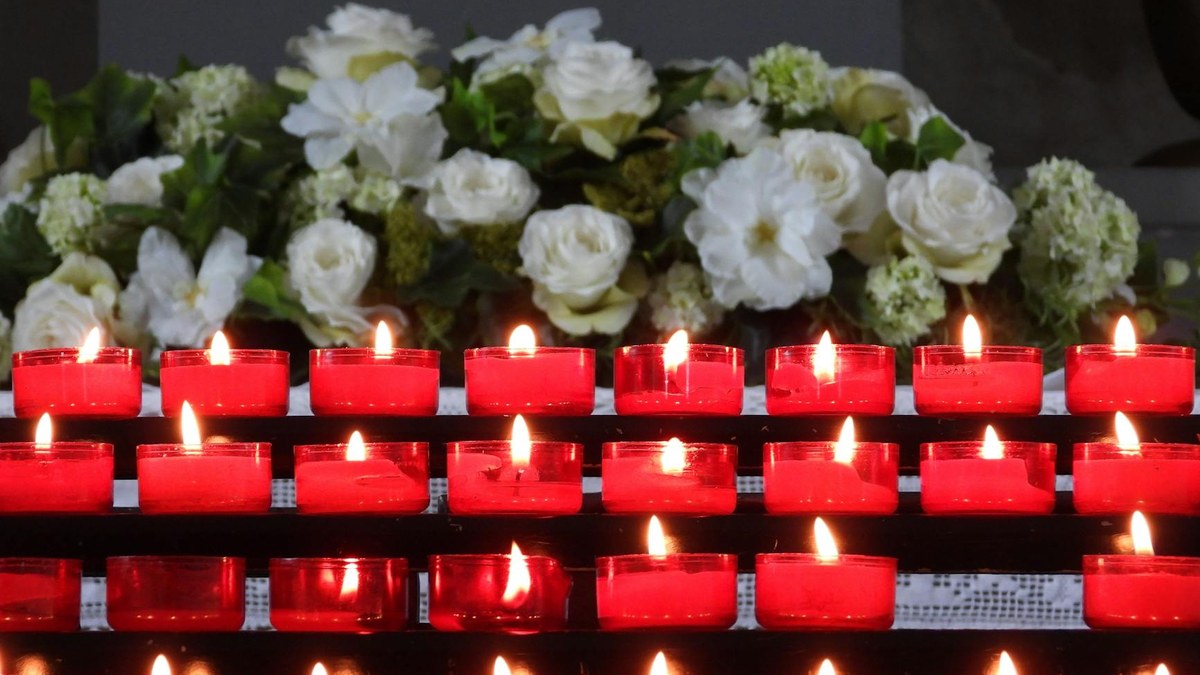
Cremation Religious Cultural Preferences Florida: religious cremation priorities
Start by asking whether the person's faith, culture, or family tradition includes specific timing, ritual, viewing, prayer, washing, or final placement expectations.
Families can unintentionally overlook important customs when they treat cremation as only a practical or cost decision. Cremation Options outlines related choices for cremation for religious and cultural preferences in Florida. It gives the family a shared reference point when emotions change from hour to hour.
The practical work behind cremation for religious and cultural preferences in Florida is easier when the family uses one message thread or shared document. Add the date, the person responsible, the decision being tracked, and the next update expected. That keeps practical work from disappearing inside emotional conversations.
Questions to ask before finalizing arrangements
If relatives disagree, focus first on what the person wanted and which traditions are essential rather than optional.
Perfect agreement on every preference is not required before necessary decisions move forward. Confirm the decisions that are required now, note the ideas that can be handled later, and leave room for a later memorial choice. That keeps religious cremation from stalling over details that are not urgent.
A clear paper trail supports cremation for religious and cultural preferences in Florida. Keep copies of estimates, forms, obituary drafts, benefit notes, travel details, and family decisions together. That practice gives Florida relatives a calmer way to compare what has changed and what is already confirmed.
Cremation for religious and cultural preferences in Florida is easier to discuss after two questions are written down: "Can cremation include religious rituals?" and "Should clergy be contacted early?" Those answers help relatives see what is settled and what still needs follow-up.
A second recap for cremation for religious and cultural preferences in Florida should cover authority, documents, and the next update. Start with "Can a service happen before cremation?" and close with "What if relatives disagree?" so the family has a practical sequence.
Ask whether clergy or a cultural leader should be involved, whether a service should happen before cremation, and how cremated remains should be handled afterward. If the family needs more background before the next call, Memorial Service Information gives them a focused place to continue.
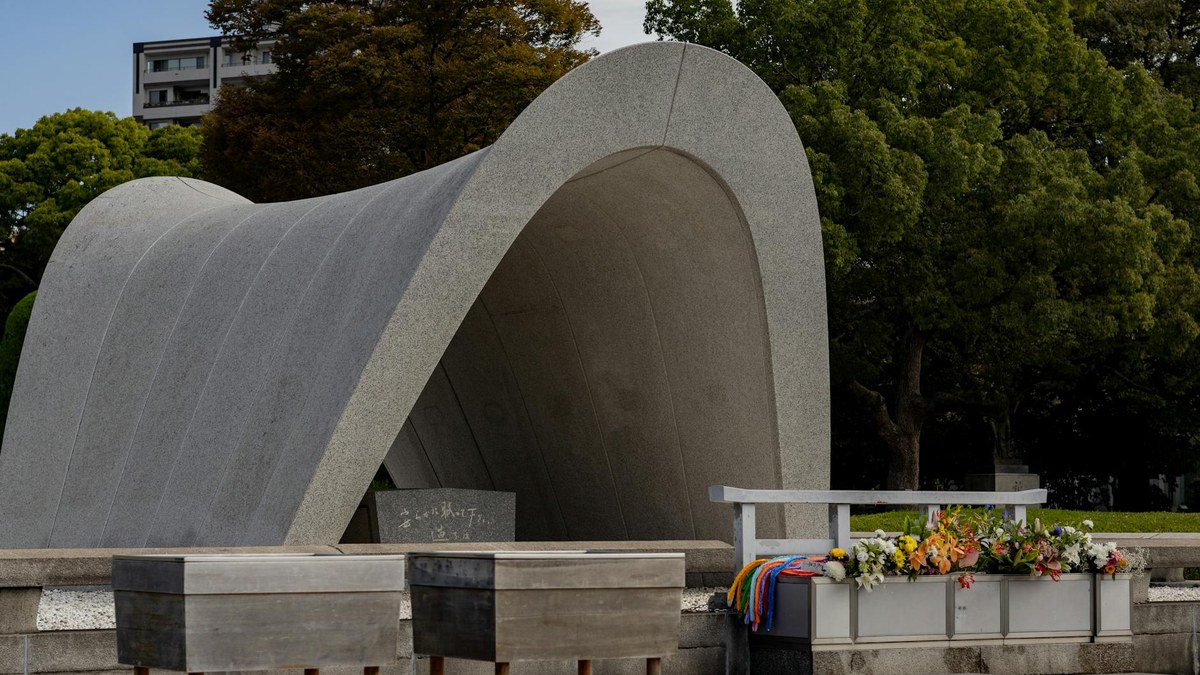
Local planning should also include who will greet guests, who will bring printed materials, who will manage photos, and who will help anyone with mobility concerns. Those assignments make cremation for religious and cultural preferences in Florida smoother without changing the heart of the remembrance.
If relatives disagree, return to the wishes, documents, budget, and practical timeline. Those anchors can keep religious cremation focused on the person being honored instead of old family tensions. The family can still make room for feelings without losing the order of decisions.
Respecting traditions while meeting legal steps
For a neutral source on the rule or benefit behind cremation for religious and cultural preferences in Florida, start with FTC Funeral Rule and write down any question that still needs a local answer.
A respectful funeral home should ask about traditions early and adapt the arrangement conversation where possible.
Review cost-related changes separately from emotional additions. If an urn, keepsake, venue, program, or reception item changes the total, relatives need to know that before approval. Clear pricing supports cremation for religious and cultural preferences in Florida without turning remembrance into a sales conversation.
Cremation can still honor faith and culture when the family names those needs before the schedule is set. Families who want nearby guidance can start with our Southwest Florida locations and ask which step needs attention first. Relatives should be able to repeat the plan in plain language before it moves forward.
A good plan also includes a fallback. If a signer is unavailable, a venue changes, or travel becomes difficult, relatives need to know who to call. That backup thinking helps cremation for religious and cultural preferences in Florida survive real-life complications.
For document-heavy decisions, verify which version is needed, who signs it, and how it should be returned. That kind of detail can keep religious cremation moving without making the family repeat paperwork because one field was missed.
Before ending the meeting, ask who will do the next task and when. A name and date turn a broad concern into an actual step. For Florida families, that clarity can make the days after cremation for religious and cultural preferences in Florida easier to manage.
Frequently Asked Questions
Can cremation include religious rituals?
Often yes, depending on the tradition and timing. The people closest to the arrangement can discuss needs before arrangements are finalized.
Should clergy be contacted early?
Yes, if faith or ritual guidance matters to the family.
Can a service happen before cremation?
Yes. Some families choose a viewing, prayer, or service before cremation when it fits their beliefs.
What if relatives disagree?
Focus on the person's wishes, essential traditions, and legal authority before debating optional details.
If your family needs a grounded conversation about cremation for religious and cultural preferences in Florida, the Legacy Options team can help. Call (239) 659-2009, or send the questions already on your list through the Legacy Options contact page.


Comments