
Estate Conversations to Start After the Funeral
- Legacy Options

- 15 hours ago
- 4 min read
After the funeral, families often shift from service decisions to estate questions, but not every task needs to be solved immediately.
Florida estates may involve property, vehicles, insurance, retirement accounts, bank accounts, and relatives who live outside the state.
Estate conversations should begin with inventory, not distribution. Before relatives talk about who receives what, they should identify accounts, titles, deeds, insurance contacts, tax records, and any attorney or advisor already involved. That order helps the family avoid premature promises and keeps the next legal conversation more accurate.
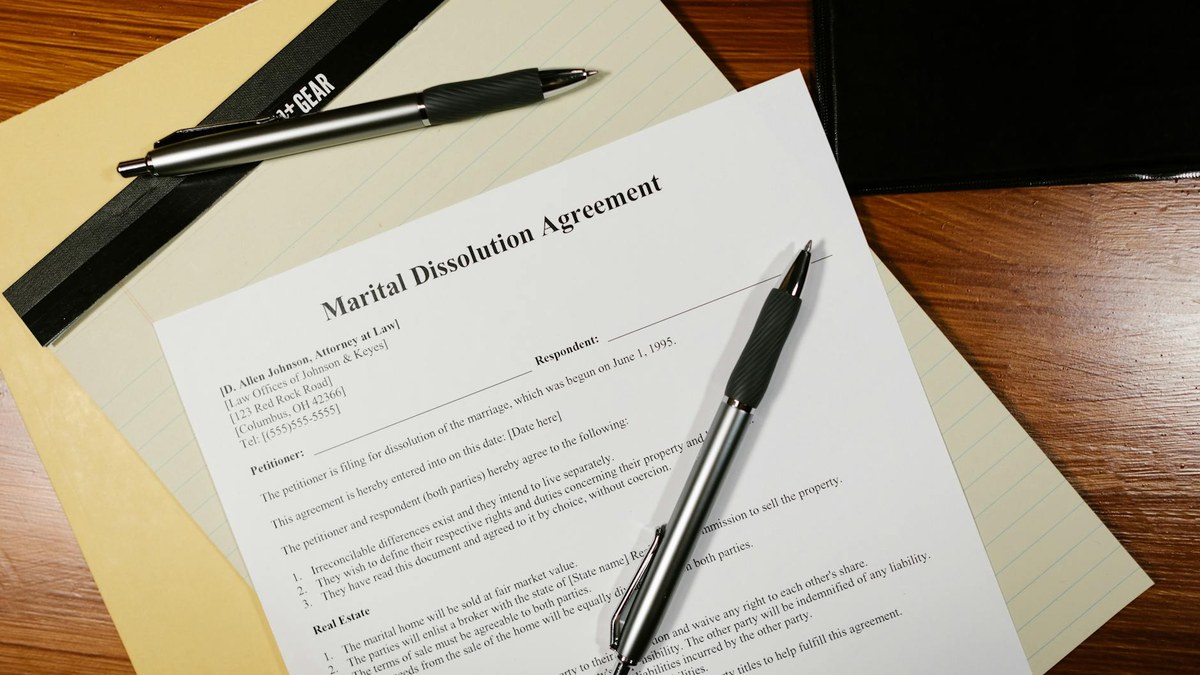
Estate Conversations After Funeral Florida: estate conversations priorities
Start by gathering documents and identifying who has authority before closing accounts, moving property, or making financial decisions.
Families can create problems by acting too quickly on estate tasks without understanding the will, trust, probate needs, or account rules. Legal and Estate Guidance outlines related choices for estate conversations after the funeral. It also helps the family decide what information should be shared publicly and what should stay private.
During estate conversations after the funeral, one family contact can track the decisions that have consequences. Those may include signer approval, certificate timing, venue needs, cost changes, or obituary details. A visible record helps the family avoid treating every preference like an emergency.
What can wait and what should not be ignored
Choose one place to track documents, contacts, deadlines, and questions for an attorney or financial professional.
If one relative is paying and others are requesting additions, discuss the budget before choosing extras. Put required costs and optional preferences in separate columns. That keeps estate conversations decisions honest without making money the only topic.
The first planning note for estate conversations does not need to be polished. It needs to show what the family knows, what still needs confirmation, and who is following up. A short note like that helps relatives in Florida keep the arrangement moving without relying on scattered texts.
Florida families can keep estate conversations to start after the funeral calmer by starting with "What estate task should families start with?" The next question is "Does the funeral home handle probate?" Together, those prompts keep the plan tied to facts instead of guesses.
At this stage of estate conversations after the funeral, the goal is to avoid missed signatures or unclear expectations. Answer "What documents should be collected?" first, then settle "How can relatives stay organized?" in plain language.
Gather death certificates, will or trust documents, deeds, titles, account statements, insurance policies, tax records, and contact information for advisors. Families who want more detail can keep Estate Settlement open while they compare the choices connected to estate Conversations to Start After the Funeral.

Local service choices should match the family's actual capacity. If Florida relatives are exhausted, a smaller gathering or later memorial may be more respectful than forcing a full event before anyone is ready to participate.
Some relatives help best with tasks rather than decisions. Ask one person to collect photos, another to find documents, another to notify guests, and another to review service details. That keeps estate conversations after the funeral from resting on one overwhelmed family member.
Organizing documents before legal decisions
When estate conversations after the funeral touches records, benefits, consumer rights, or travel rules, Florida probate guidance helps relatives check the public guidance before approving the next step.
The funeral home may help with death certificates and immediate paperwork, but legal and financial questions should be directed to the right professionals.
Use the final review to check both accuracy and tone. The facts need to be right, but the language should also feel appropriate for the person being remembered. That balance matters for any public part of estate conversations after the funeral.
The best early estate conversation is organized and careful, not rushed. Legacy Options local offices can help turn the next question about estate conversations to start after the funeral into a practical action. A calm review can prevent a small misunderstanding from becoming a larger planning problem.
A ready family plan leaves room for grief. It gives relatives enough structure to act without pretending the process is only administrative. That balance is important when estate conversations after the funeral carries both practical and emotional weight.
One family member should read the plan as a guest would read it. Is the time clear, the location complete, the tone appropriate, and the next action obvious? If not, revise estate conversations after the funeral before sending the information out.
Families do not need to become experts to make sound choices. They need clear options, written details, and a provider willing to explain the next step. That is enough to move estate conversations after the funeral forward with more confidence.
Frequently Asked Questions
What estate task should families start with?
Gather documents and confirm authority before making account, property, or financial decisions.
Does the funeral home handle probate?
No. The funeral home can help with certain documents, but probate and legal questions should go to qualified professionals.
What documents should be collected?
Collect death certificates, wills, trusts, deeds, titles, account records, insurance policies, and advisor contacts.
How can relatives stay organized?
Use one shared list for documents, contacts, dates, and open questions.
Legacy Options gives families a local place to ask direct questions about estate conversations after the funeral. Reach us at (239) 659-2009 or use the Legacy Options message page when you want timing, documents, and the service path explained together.


Comments