Grief Support Resources After a Funeral in Southwest Florida

The days after a funeral can feel strangely quiet. The visitors go home, the casseroles stop arriving, and the phone that rang constantly grows still. For many of the families we serve across Naples, Fort Myers, and Bonita Springs, this is when grief settles in for the long stay. Knowing where to turn for support in those weeks and months matters, and our team would like to walk you through what is available close to home.
This is not a checklist to finish. Mourning moves at its own pace. What follows are gentle starting points, drawn from years of helping local families find their footing again.
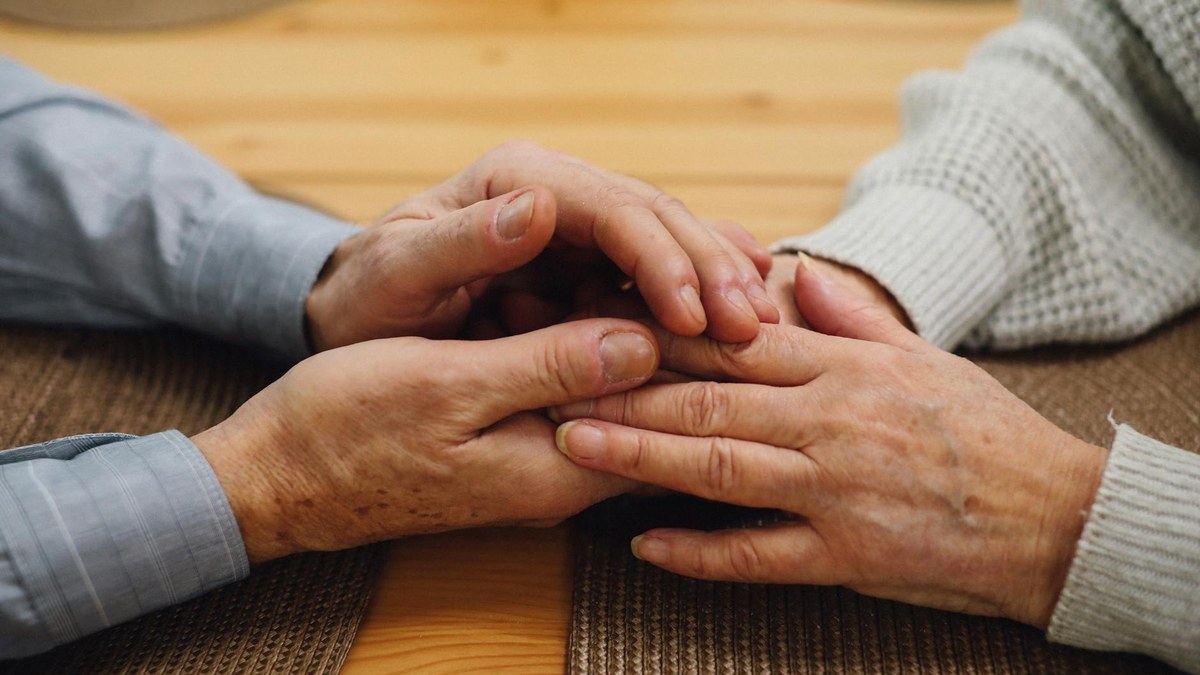
Why the weeks after a service can be the hardest
During the planning and the ceremony itself, there is a great deal to do. Decisions keep the mind occupied, and people surround you. Once the formal goodbye has passed, the structure falls away and the loss can feel sharper than ever. Many people describe a second wave of sadness arriving a month or two later, after the world around them has moved on but theirs has not.
This is an ordinary part of grieving, not a sign that something is wrong with you. Recognizing it ahead of time can soften the sting. Families often search for grief support after funeral Southwest Florida resources, and reaching out is one of the kindest things you can do for yourself.
Local grief support groups in Naples, Fort Myers, and Bonita Springs
Sitting in a room with others who understand can ease the loneliness that follows a loss. Across our area, you will find groups run by hospices, hospitals, churches, and nonprofit bereavement centers. Some meet weekly, others monthly, and several offer specialized circles for those grieving a spouse, a child, or a loss to a long illness.
A few things to look for when choosing a group:
You do not have to talk at your first meeting, or any meeting. Many people sit and listen for weeks before they feel ready to share, and that is perfectly welcome. We keep an updated list of options on our grief resources for Lee and Collier County, and we are glad to point you toward a group that fits where you are.
When one-on-one counseling makes sense
Support groups are not the right fit for everyone, and some grief calls for more individual attention. If your sadness feels unrelenting after several months, if you are unable to sleep or eat, if you find yourself withdrawing from everyone, or if the loss was sudden or traumatic, speaking privately with a counselor can help.
Look for a licensed mental health professional who lists grief, bereavement, or loss among their specialties. Many therapists in our region offer both in-person and telehealth sessions, which can be a relief on days when leaving the house feels like too much. If cost is a concern, ask about a sliding scale, and check whether your insurance includes behavioral health benefits.
There is no shame in needing this kind of help. Grief is not a weakness to push through alone, and a skilled counselor can give you tools that friends and family, however loving, are not trained to provide.
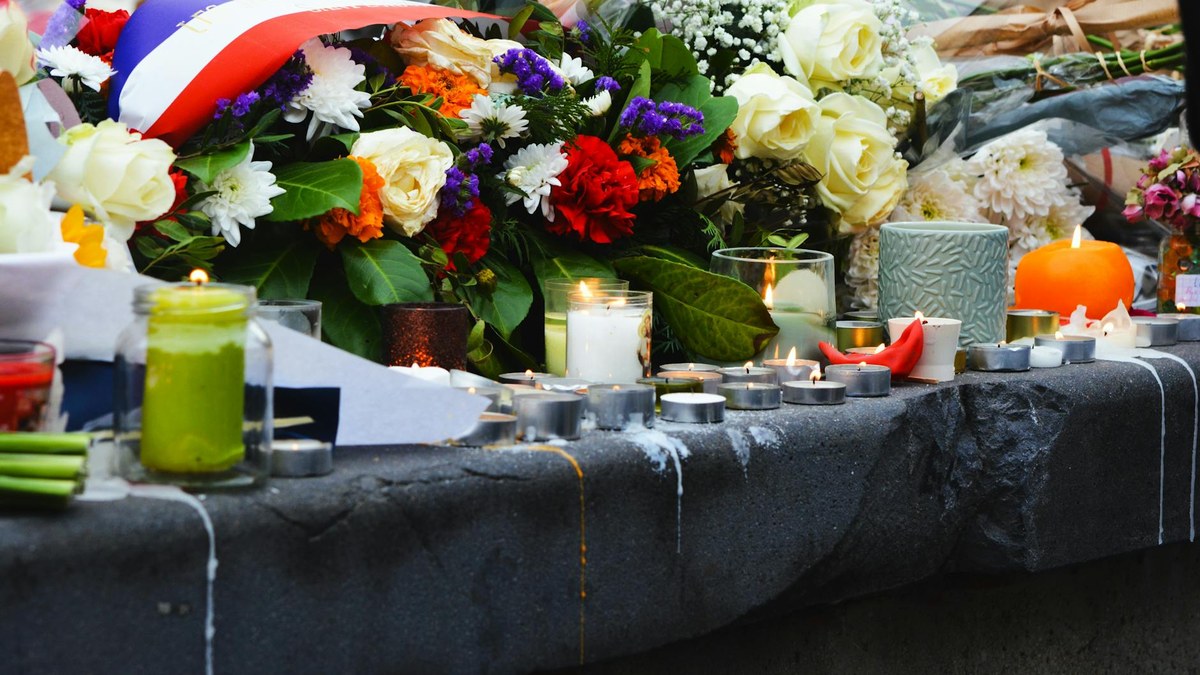
Hospice and bereavement programs you may already qualify for
If your loved one received hospice care before they died, you may have access to bereavement support that many families do not realize is included. Hospice programs generally offer grief services to surviving family members for a year or more after a death, at no additional cost. These can include phone check-ins, mailed materials, memorial gatherings, and referrals to counseling.
It is worth reaching out to the hospice that cared for your loved one, even if some time has passed. Their bereavement coordinators expect to hear from families well after the funeral. If hospice was not part of your situation, local hospitals and faith communities often run their own bereavement outreach open to the wider public.
Caring for the whole family, including children
Grief does not look the same in every member of a household. A spouse may go quiet while a grown child grows restless, and young children often grieve in short bursts, playing one moment and crying the next. None of these responses is wrong.
When children are involved, plain and honest language tends to serve them best. Soft phrases like “passed away” can confuse the very young, who think in concrete terms. Keeping routines steady, answering questions as they come, and letting children take part in remembering can all help. Several area organizations run grief programs designed specifically for children and teens, where they can be among others their age who understand.
For the adults in the home, give one another room to grieve differently. One person finding comfort in talking while another prefers solitude is not a sign of distance, only two people carrying the same weight in their own way.
Small daily practices that help over time
Healing is rarely dramatic. More often it arrives through small, repeated acts of self-kindness. A few that families tell us have helped:
Be patient with the ups and downs. A good week followed by a hard one does not mean you are slipping backward. That is simply how grief tends to move, in waves rather than a straight line.
Honoring your loved one as part of healing
For many people, an act of remembrance becomes a quiet turning point. Planting a tree, dedicating a bench, gathering for a meal on a meaningful date, or contributing to a cause your loved one cared about can give grief somewhere to go. Some families choose to hold a separate gathering weeks or months after the funeral, once the initial shock has eased and there is space to reflect.
If you are thinking about a remembrance gathering, our page on memorial service information explains how these can be shaped around what feels right for your family. There is no single correct way to remember someone, only the way that brings you a measure of peace.
A note on planning and your rights as a family
In the practical aftermath, you may still be settling accounts or weighing decisions made during a difficult time. It helps to know that federal protections exist for funeral consumers. The Federal Trade Commission outlines these safeguards in the FTC Funeral Rule, which covers your right to clear, itemized information. Understanding those rights can quiet some of the second-guessing that grief sometimes brings.
Frequently asked questions
How long does grief usually last after a funeral?
There is no set timeline, and anyone who promises one is mistaken. Many people feel the sharpest pain in the first several months, with the intensity easing gradually over a year or more. Some days will surprise you long after that. What matters is the overall direction over time, not any single hard day.
When should I seek professional help for grief?
Consider reaching out to a counselor if your grief feels unchanging after several months, if you cannot manage daily tasks, if you are withdrawing from everyone, or if you have thoughts of not wanting to go on. Sudden or traumatic losses also warrant extra support. Asking for help early is a sign of strength, not failure.
Are grief support groups in Southwest Florida free?
Many community, hospice, and faith-based groups in Naples, Fort Myers, and Bonita Springs are offered at no charge. Costs vary for private counseling, so it is worth asking about sliding-scale fees or insurance coverage. We are happy to help you find options that fit your circumstances.
Can children attend grief support programs?
Yes. Several area organizations run programs designed specifically for children and teens, where they can grieve alongside peers who understand. These spaces use age-appropriate activities and let young people express loss in ways that feel natural.
Whenever you feel ready, our team is here to listen and to help you find the right support. You are welcome to explore our grief support page, reach out through our contact us form to request local guidance, or call us at (239) 659-2009. There is no pressure and no timeline. We are glad to walk alongside Southwest Florida families for as long as the road takes.


Comments