Memorial Keepsake Ideas for Families Who Choose Cremation

When a family chooses cremation, one question tends to surface quietly in the days that follow: how do we hold on to the person we love? Cremation does not close the door on remembrance. It opens more doors than many people expect. The ashes can stay close, be shared among relatives, or become part of an object a family keeps for generations. Our team at Legacy Options has sat with many Southwest Florida families as they worked through these choices, and we have learned there is rarely a single right answer. There is only the answer that feels true to the person being remembered.
This guide walks through the most meaningful ways families keep a loved one near after cremation, from urns and jewelry to photographs and online tributes. Take what resonates and leave the rest. Grief moves at its own pace, and there is no deadline for deciding how to remember.
Why a keepsake matters after cremation
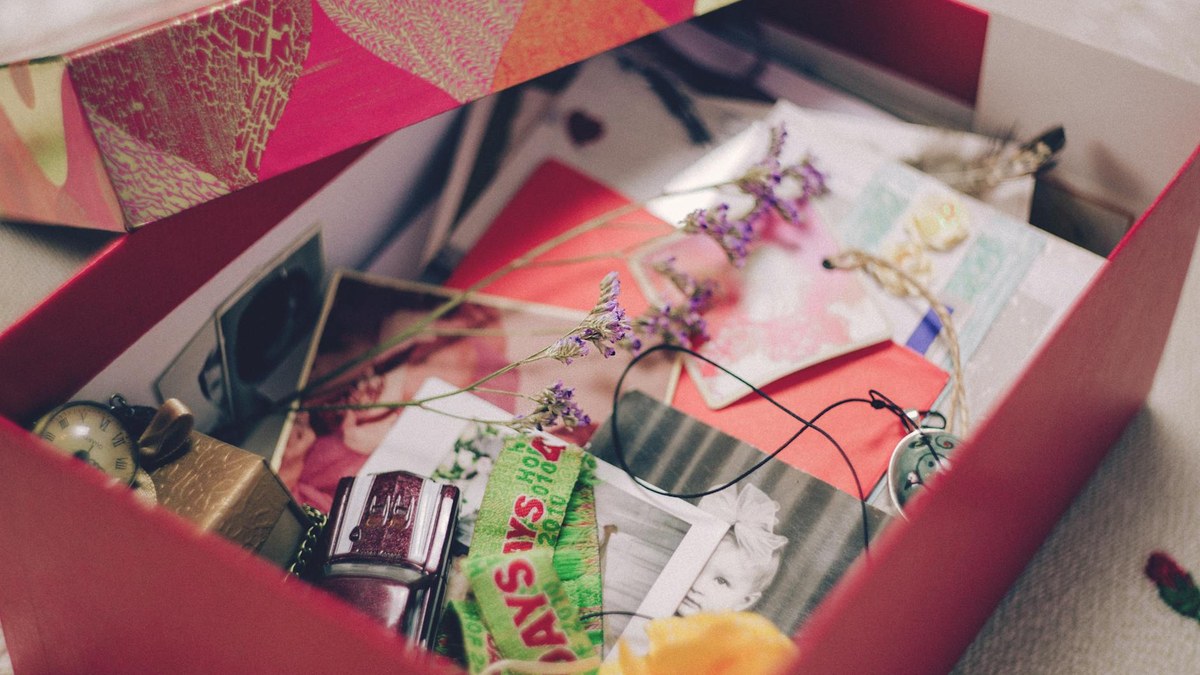
A keepsake gives grief somewhere to land. After a loss, many people feel unmoored, unsure where to direct the love that no longer has a daily outlet. A physical object, or even a digital space, becomes a touchstone. It is something you can hold during a hard moment or simply notice on a shelf and feel a flicker of warmth.
Cremation is especially well suited to this kind of personal remembrance because it gives families flexibility. Rather than one fixed resting place, you can choose several smaller gestures, one significant one, or change your mind over time. Among the many cremation options available to families, the path you take with the ashes is yours to shape.
Urns that reflect a life
The urn is often the first keepsake a family considers, and it carries more meaning than its practical purpose suggests. An urn is not simply a container. It is a small portrait of a person, chosen by those who knew them best.
Families tend to gravitate toward urns that echo something about their loved one. A few directions we see often:
You do not have to decide on a permanent urn right away. Many families keep ashes in a temporary container while they find something that feels right. There is no rush, and no wrong way to wait.
Memorial jewelry and wearable remembrance
For people who want to keep a loved one physically close every day, memorial jewelry has become one of the most cherished choices. These pieces are quiet by design. To anyone else they look like an ordinary pendant or bracelet, but to the person wearing them they carry a whole relationship.
Cremation jewelry generally falls into a few categories. Some pieces hold a tiny, sealed portion of ashes inside a pendant or charm. Others incorporate a fingerprint, a handwritten signature, or a date pressed into metal. There are also keepsakes that divide a small amount of ashes among several pieces, so siblings or children can each carry the same person, even when they live far apart.
This last point matters in a region like ours. Southwest Florida families are often spread across the country, and shared jewelry lets everyone hold a piece of the same loss without giving up the comfort of nearness.
Preserving photographs and personal mementos
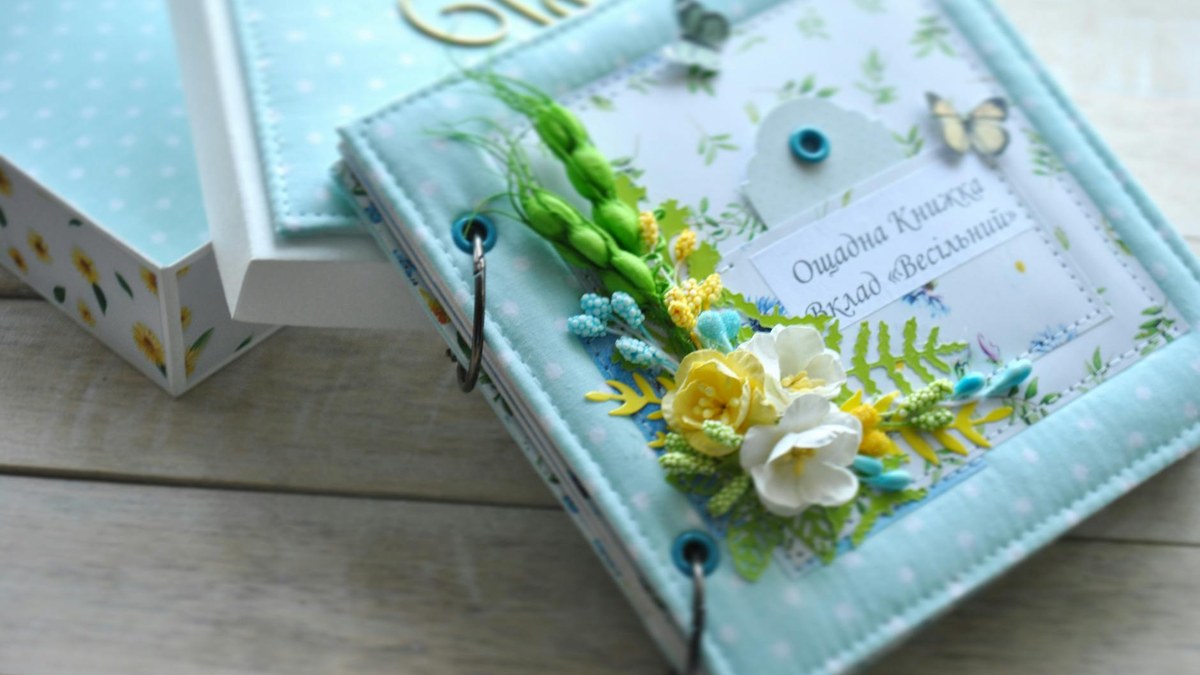
Some of the most treasured keepsakes have nothing to do with the ashes at all. Photographs, letters, and small belongings hold a person's presence in a way that feels immediate and familiar.
Gathering these items can be a healing project, especially when family members do it together. Consider a single memory box that holds the things that most capture a personality: a worn recipe card in their handwriting, reading glasses, a fishing lure, a concert ticket they never threw away. The objects do not need to be valuable. They need to be theirs.
Photographs deserve special attention. Many families scan old prints to protect them from Florida humidity and to make copies easy to share. A curated album or framed collage then becomes a focal point at a gathering, and those same images often become the heart of a visual tribute. Our team can help you think through how photographs fit into a ceremony when you review the details of a memorial service together.
Online memorials and digital tributes
A growing number of families create an online memorial so remembrance is not bound by geography or time. A dedicated tribute page can hold photos, written memories, a life story, and a guest area where friends and relatives leave their own reflections. For loved ones who could not travel to a service, it offers a way to take part and grieve alongside everyone else.
Online tributes also become a lasting record. Years from now, a grandchild can read what people wrote and understand who their relative was. We encourage families to keep these pages open-ended, inviting people to add memories on birthdays and anniversaries, not just in the first weeks. Grief has a long tail, and a digital space that stays alive honors that reality.
Shared remembrance items for the whole family
When several people are grieving the same person, a shared keepsake can hold a family together. These items are meant to be divided, distributed, or experienced collectively, and they often become anchors for future gatherings.
Shared remembrance is especially meaningful with cremation because a small portion of ashes can be divided respectfully among family members, letting each person choose their own keepsake while remaining part of one collective act of love. To understand exactly how that works, it can help to learn more about how the cremation process works before deciding how to place ashes.
Knowing your rights and taking your time
One of the most reassuring things a grieving family can know is that they are in control of these decisions. Federal protections under the FTC Funeral Rule give consumers the right to clear information and the freedom to choose only the goods and services they want. You are never obligated to purchase a keepsake, an urn, or any add-on that does not feel right for your family. You can read the FTC Funeral Rule and your consumer rights directly to understand the protections in place.
We mention this because the pressure people sometimes feel during grief is real, and it should never come from us. A keepsake means the most when it is chosen freely, on your own timeline, for reasons that belong only to you and the person you are honoring.
Frequently asked questions
Do we have to choose a keepsake right away?
No. There is no time limit. Ashes can be held in a simple temporary container for as long as you need while you decide what feels right. Many families wait weeks or months, and some revisit the decision more than once. Letting the choice arrive naturally is perfectly normal.
Can ashes be divided among several family members?
Yes. Cremated remains can be respectfully divided so that more than one relative can keep a portion, whether in jewelry, a small urn, or another keepsake. This is a common request, especially for families spread across different cities, and we can walk you through the practical steps.
Are memorial keepsakes appropriate if we also plan to scatter the ashes?
Absolutely. Many families set aside a small amount of ashes for a pendant or keepsake urn and scatter the rest in a meaningful place. The two choices are not mutually exclusive, and combining them lets you both let go and hold on.
Can we still have a service if we have already chosen cremation?
Yes. Cremation and a memorial service work well together. A gathering can take place before or after cremation, with or without the ashes present, and it can be as traditional or as personal as you wish. We are glad to help you plan a service that reflects your family.
Choosing how to remember someone is deeply personal, and you do not have to navigate it alone. Whether you are drawn to an urn, a piece of jewelry, an online tribute, or something entirely your own, our team across our Southwest Florida locations is here to listen. To talk through cremation memorial keepsake ideas or simply ask a question, please request local guidance or call our Naples office at (239) 659-2009. We will meet you where you are.


Comments