
Planning a Funeral During Florida Hurricane Season
- Legacy Options

- 17 hours ago
- 5 min read
Southwest Florida's hurricane season — June through November — shapes nearly every aspect of life along the Gulf Coast. When a death occurs during these months, families face logistical complexity layered on top of grief, from rescheduled flights to evacuation orders that arrive with little warning.
At Legacy Options, our team serves families in Naples, Fort Myers, and Bonita Springs year-round, including through the most challenging storm weeks. Planning a funeral during Florida hurricane season requires flexibility, clear communication, and an understanding of available options — all areas where experienced guidance makes a real difference.
Why the June–November Window Complicates Arrangements
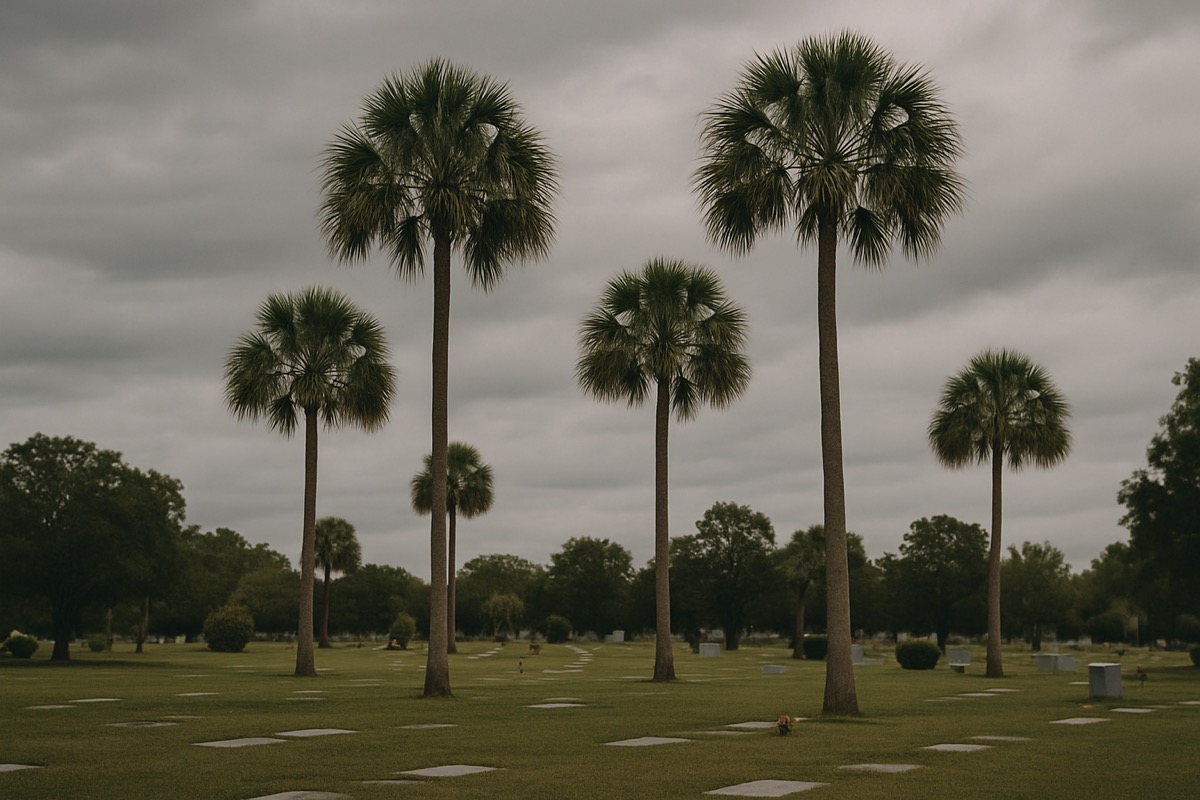
Even a tropical system several hundred miles offshore can trigger last-minute evacuation orders, road closures, and flight cancellations across Collier and Lee County. Families coordinating services — particularly those with out-of-town relatives — face real uncertainty about whether travel will be possible at all.
Separate from named storms, heavy afternoon thunderstorms arrive reliably throughout summer, disrupting outdoor gatherings, delaying transportation, and complicating graveside service timing. Building contingencies into the plan from the start, rather than hoping for clear skies, produces significantly smoother outcomes.
Building in Scheduling Flexibility
A practical first step is identifying a backup service window before finalizing any date. Holding a tentative secondary slot — 24 to 48 hours later — costs nothing and gives a family room to adjust if a storm system moves toward the area. Most funeral homes in SWFL will accommodate this when asked directly.
Midweek services have become a more common choice during summer months. Weekend travel for out-of-town attendees is harder to rebook on short notice when airlines or highways are affected. A Tuesday or Wednesday service often gives distant family members more rebooking options if original flights fall through.
Indoor venues eliminate one major variable entirely. A chapel, reception hall, or private event space provides a controlled environment regardless of weather — a meaningful advantage when so many other factors are already in flux.
Communicating With Out-of-Town Family
Relatives traveling from the Midwest, Northeast, or overseas watch the same storm forecasts as local families. Flights may be cancelled, rental cars unavailable, and hotels booked by evacuees. Clear, early communication prevents compounded confusion.
Sharing the service date and venue as soon as arrangements are confirmed — along with a brief contingency note ("if rescheduled, families will be notified by [date]") — gives distant attendees time to build flexibility into their travel plans. Designating one family member to relay updates keeps information consistent and reduces calls to the immediate family.
Our team can help map out a notification plan and think through communication logistics so that family members at a distance feel informed and included even when local conditions are uncertain.

Power Outages and Venue Contingencies
A direct hurricane impact can leave neighborhoods without power for days or weeks. Funeral homes serving Southwest Florida typically maintain generator capacity, but it is a reasonable question to ask any venue under consideration. Confirmation that a facility can operate through an outage removes a genuine source of uncertainty.
Families planning a reception at a private home or rental space should verify backup power arrangements and identify simple refreshment options that do not depend on electricity. These are small preparations, but they protect the gathering from a common and very disruptive failure point.
Preservation and Timing When a Storm Delays a Service
When a storm postpones a service by several days, the funeral home manages appropriate preservation and care. Families are kept informed throughout. The delay does not require the family to make urgent secondary decisions — that responsibility rests with the funeral home's staff.
Direct cremation, completed shortly after death, offers families the greatest scheduling flexibility. A memorial or celebration of life can then be held days or weeks later — once family has safely gathered and conditions have settled. This approach is increasingly common in SWFL and removes the pressure of rushing arrangements around an unstable weather window.
Our team walks families through all available options so that the service timeline fits the family's circumstances rather than the other way around.
How Preplanning Changes the Equation
Families who have documented preferences in advance are in a steadier position when a death occurs during storm season. Decisions about service type, burial versus cremation, and the funeral home itself have already been made. The family's energy goes toward grief and logistics — not foundational choices under pressure.
Preplanning does not require finalizing every detail or prepaying anything. Even a written record of basic wishes on file with a funeral home meaningfully reduces the burden on survivors. To understand what the process involves, the benefits of planning ahead page covers the specifics.
Staying Reachable During a Storm Event
Families dealing with an imminent or recent death while a storm approaches should contact the funeral home as early as possible. Early contact allows the team to adjust timelines, confirm communication channels, and flag any operational changes before they become urgent.
Florida's Division of Emergency Management provides real-time storm tracking, evacuation zone information, and shelter locations. It is a resource every SWFL resident should have bookmarked before a storm season begins, not only during an active event.
When a local family member needs to evacuate while arrangements are underway, notifying the funeral home immediately allows the team to accommodate holds and adjust timelines. Early contact consistently produces better outcomes than silence while waiting for conditions to clarify.
What to Ask When Calling a Funeral Home
Whether reaching out to Legacy Options or any other funeral home during storm season, these questions are worth raising directly:
Does the facility have backup power in the event of an outage?
What is the policy on rescheduling a service if a storm forces postponement?
Can a tentative alternate date be held as a backup while family travel is confirmed?
How does a cremation-first approach affect flexibility on memorial timing?
For families who want to understand the full arrangements process before an urgent situation arises, the overview of what to expect covers each step in plain, straightforward terms.
Frequently Asked Questions
Can a funeral be rescheduled if a hurricane is approaching?
In most cases, yes. Funeral homes in Southwest Florida understand storm season as a logistical reality and typically work with families on alternative dates. Raising the rescheduling question before finalizing the original date — rather than after — ensures all parties know the contingency plan in advance.
What happens to the body if a service must be delayed by a storm?
Funeral homes are equipped to provide appropriate care during delays. Families who opt for cremation gain the most flexibility on service timing, since a memorial can be held days or weeks after the cremation itself. For other situations, the funeral home's staff manages care and keeps the family informed throughout.
Is planning a funeral during Florida hurricane season more expensive?
Not inherently. Costs reflect the type of service and care selected, not the calendar month. Last-minute venue or catering changes can add cost — one reason contingency planning from the outset protects families from unexpected expenses. Our team presents options clearly and honestly from the first conversation.
Should families in evacuation-prone areas consider preplanning?
Many SWFL families find it genuinely worthwhile. When wishes are documented in advance, survivors do not face those decisions during a storm or in its immediate aftermath. Even a basic on-file record relieves a significant burden from the people left behind.
Grief does not pause for storm season, and neither does our commitment to the families we serve. For questions about arrangements — whether a need is immediate or families are thinking ahead — our team is available. Call (239) 659-2009 or reach us online at any time.


Comments